
Why PilatiBarre Works
PilatiBarre was built on a simple belief: everyone can move, everyone can heal, and everyone can live better through intentional movement. Pilates is about being able to.
Brian and Suzanne Murphy have spent 27 years developing the PilatiBarre Method — a practical, evidence-informed approach to Pilates, mat work, and barre that healthcare professionals can immediately apply with their patients. Whether you are a physical therapist, nurse, or movement educator, PilatiBarre gives you tools that work.
Our Story & The Science
27 Years of Teaching: What That Looks Like in Practice
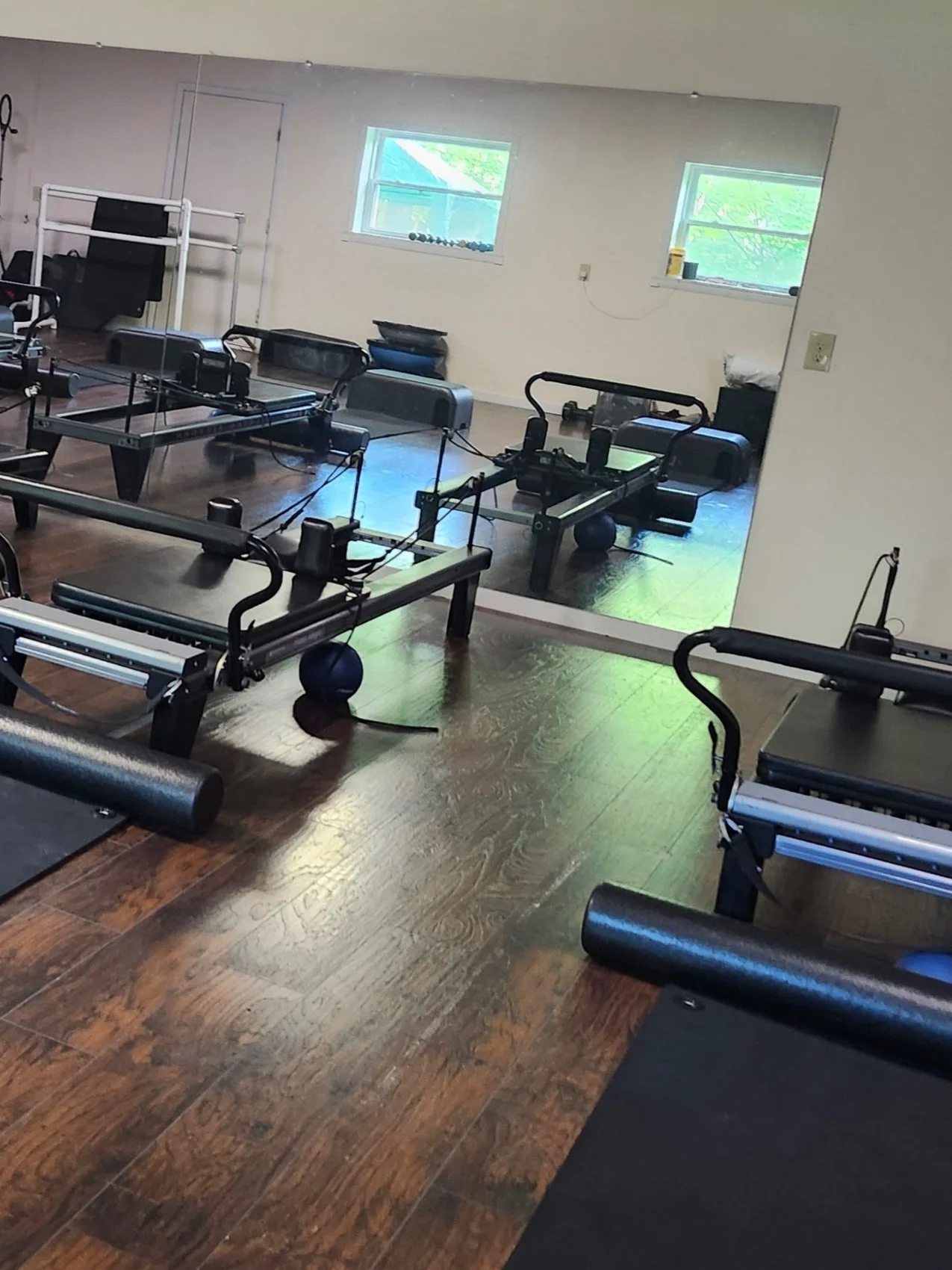
Brian and Suzanne Murphy have been teaching Pilates together since 1998. That is not a credential on a resume — it is 27 years of observing bodies, correcting movement patterns, adapting exercises for injuries and limitations, and refining a teaching methodology across thousands of students. Suzanne is a certified Pilates instructor and certified personal trainer whose expertise forms the educational backbone of every PilatiBarre course.
PilatiBarre's CEU courses are not the product of a single instructor's perspective. They are the distillation of a teaching partnership developed over more than a quarter century — refined through real bodies, real limitations, and real outcomes. That depth of experience is rare in continuing education. It is the foundation of everything PilatiBarre offers.
Pilates Was Born from Ballet — and the Science Confirms It Extends Careers
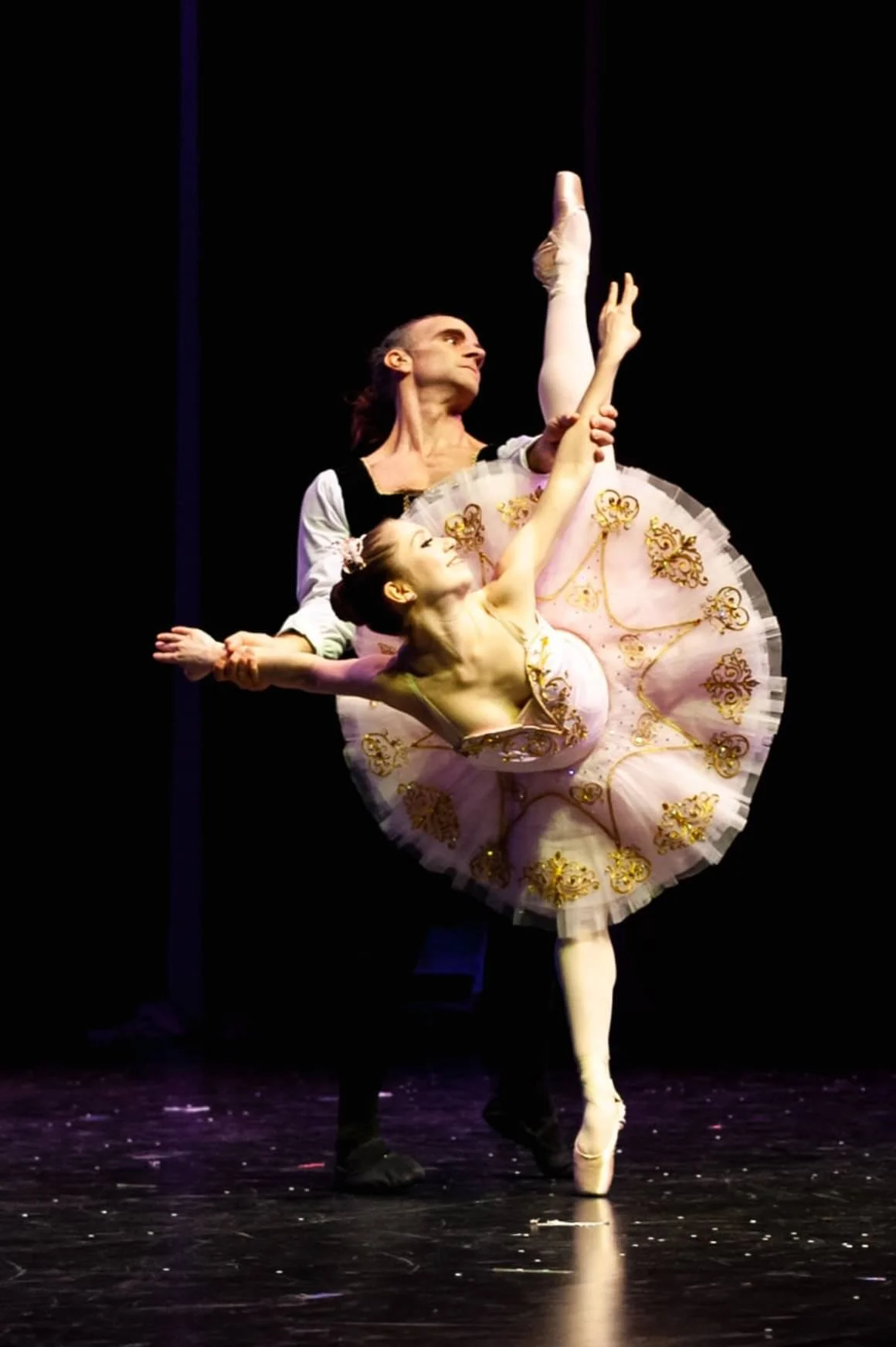
The connection between Pilates and ballet is foundational, not incidental. Joseph Pilates opened his first American studio around 1926 sharing an address with the New York City Ballet. George Balanchine sent injured dancers to Pilates for rehabilitation. Martha Graham studied with Pilates directly. The method was designed, from its inception, for bodies under extreme performance demands.
The evidence base is robust. A landmark three-year prospective study found Pilates-based conditioning reduced male dancer injury rates by 53% and female rates by 56%. A randomized controlled trial demonstrated a structured program three times weekly reduced injury risk by 82%. Every major ballet company now integrates Pilates — the School of American Ballet, the Royal Ballet School, the National Ballet of Canada, and Ballet Memphis all run dedicated programs.
Brian has practiced Pilates for over 25 years alongside his performing career. Suzanne has taught it for the same period. For the Murphys, Pilates is not supplemental — it is the biomechanical infrastructure behind one of the most durable performing careers in professional ballet history.
A Dance Career That Should Not Statistically Exist
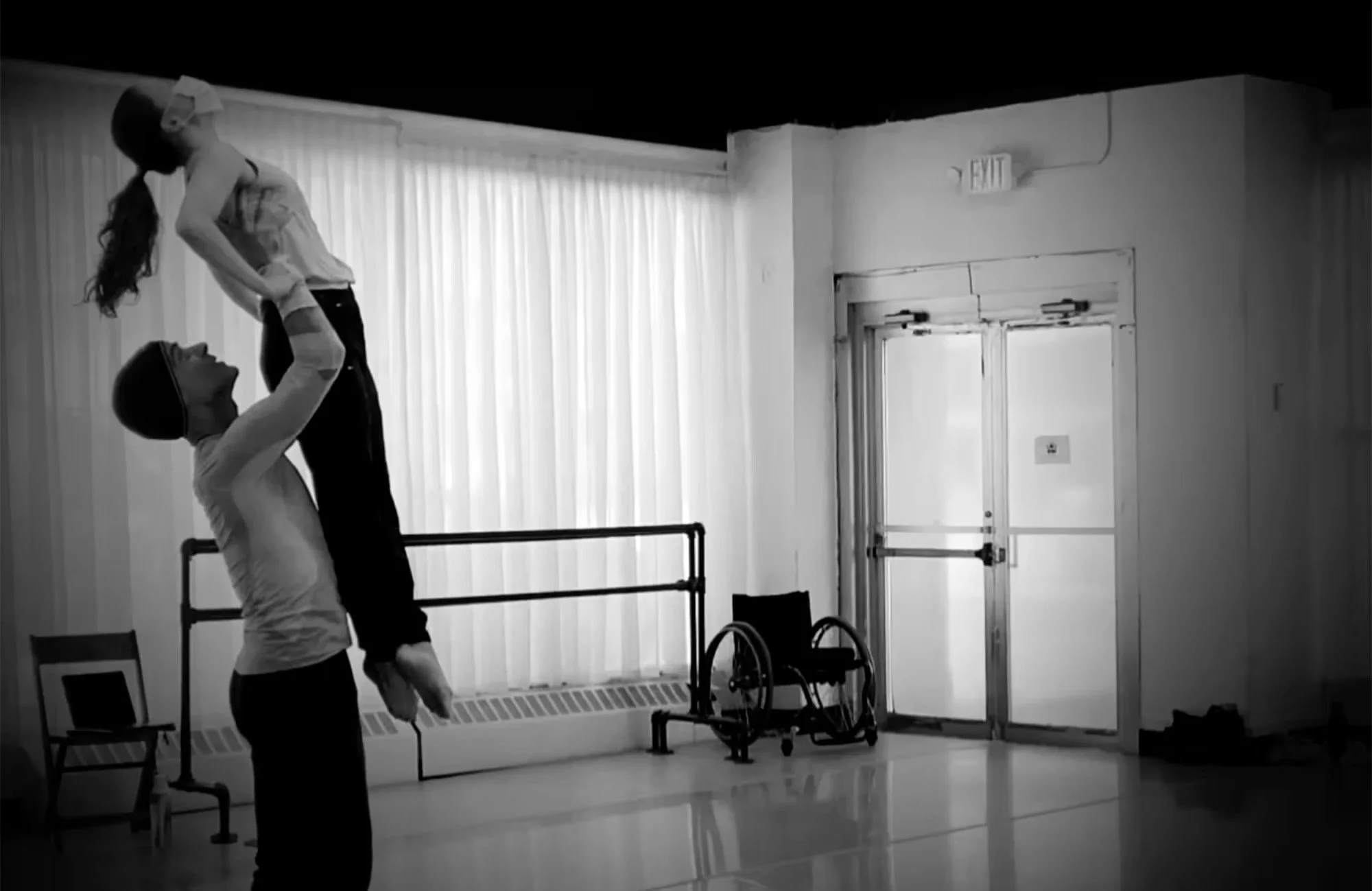
Brian Murphy is 53 years old and still performing as a professional ballet dancer across multiple states. The average professional ballet dancer retires at 35. A UK national survey placed the median retirement age even lower — just 29 years — with 36% of dancers forced out by musculoskeletal injury. Male dancers face particularly severe biomechanical demands: 50% of male professional injuries are traumatic, and injury severity averages 9 days lost per incident.
A 2024 study in Sports Medicine — Open found that 96.5% of professional ballet dancers report at least one injury per season. A prospective study in the Journal of Orthopaedic & Sports Physical Therapy documented a mean of 6.8 injuries per dancer per year for males. Run the probability across 30 seasons: the odds of completing a career injury-free approach one in billions. Brian has never missed a single performance due to injury.
For healthcare professionals evaluating credentials, this is not merely impressive — it is diagnostic. It signals mastery of load management, alignment, recovery science, and proprioception at an elite level — the same principles PTs and nurses apply clinically every day.
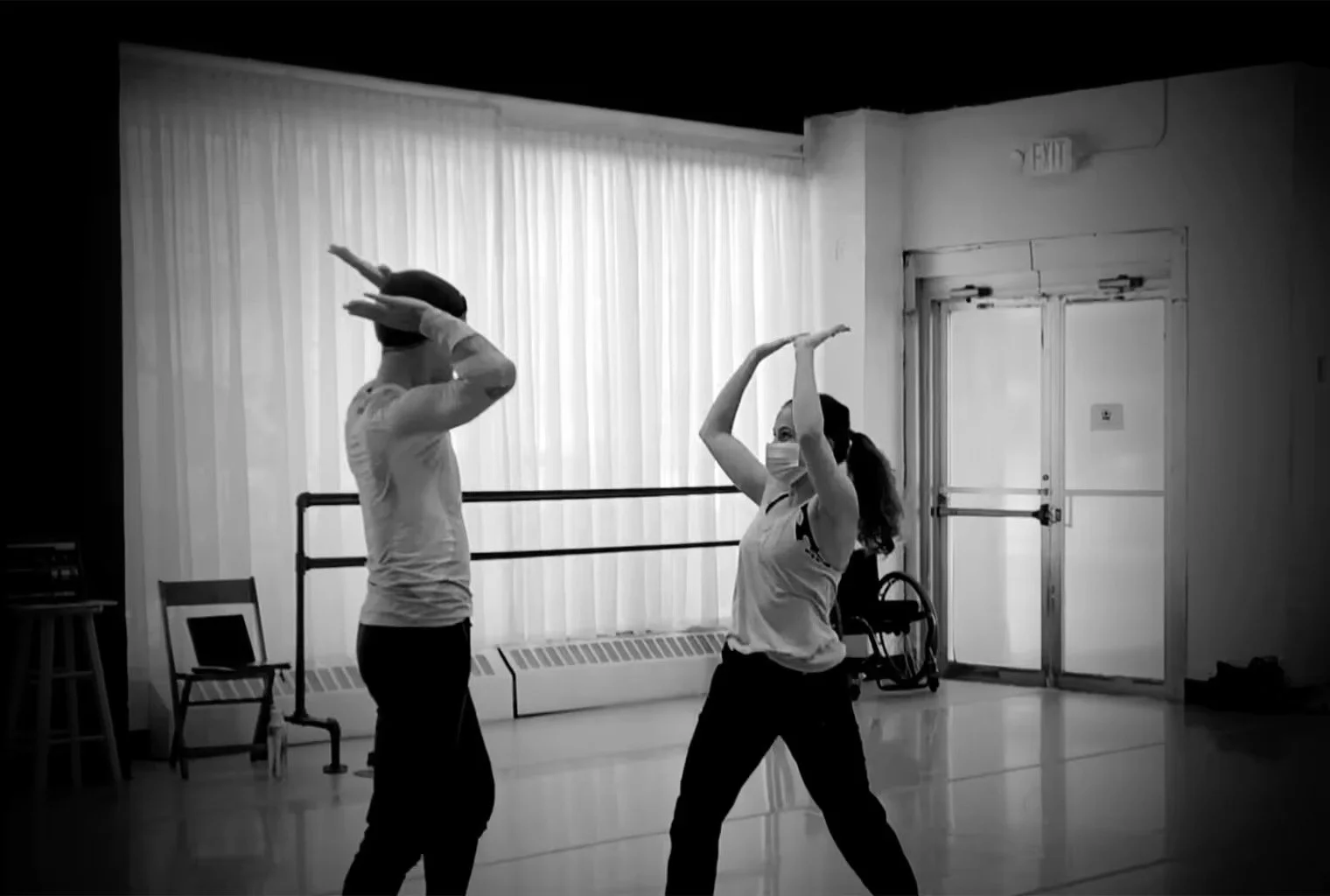
The Recovery That Proved Everything
Brian Murphy was riding his bike when he struck a small pole — sun in his eyes, no warning. A bystander called 911. Suzanne was told to keep him conscious. She couldn't. Four hours later, Brian was in surgery for an epidural hematoma. A broken collarbone, part of a finger gone, and a brain that needed to find its way back.
The surgeon said four days in the hospital. Brian was out in four. He never went back.
He made a decision: he would move. Starting with 100 steps a day — walk, stop, find balance, repeat. Two days in, the dizziness was gone. Four weeks after brain surgery he was teaching Pilates. Two months later he performed in New York City.
His neurologist called it remarkable. Brian calls it Pilates.
The principles he and Suzanne had taught together for over 20 years became the exact tools his brain used to find its way back. It was not a miracle. It was a method.